Route, volume and timing shape every bulk gas move. Answer those three and the rest follows. Here is how to think through each one before your tank ships.
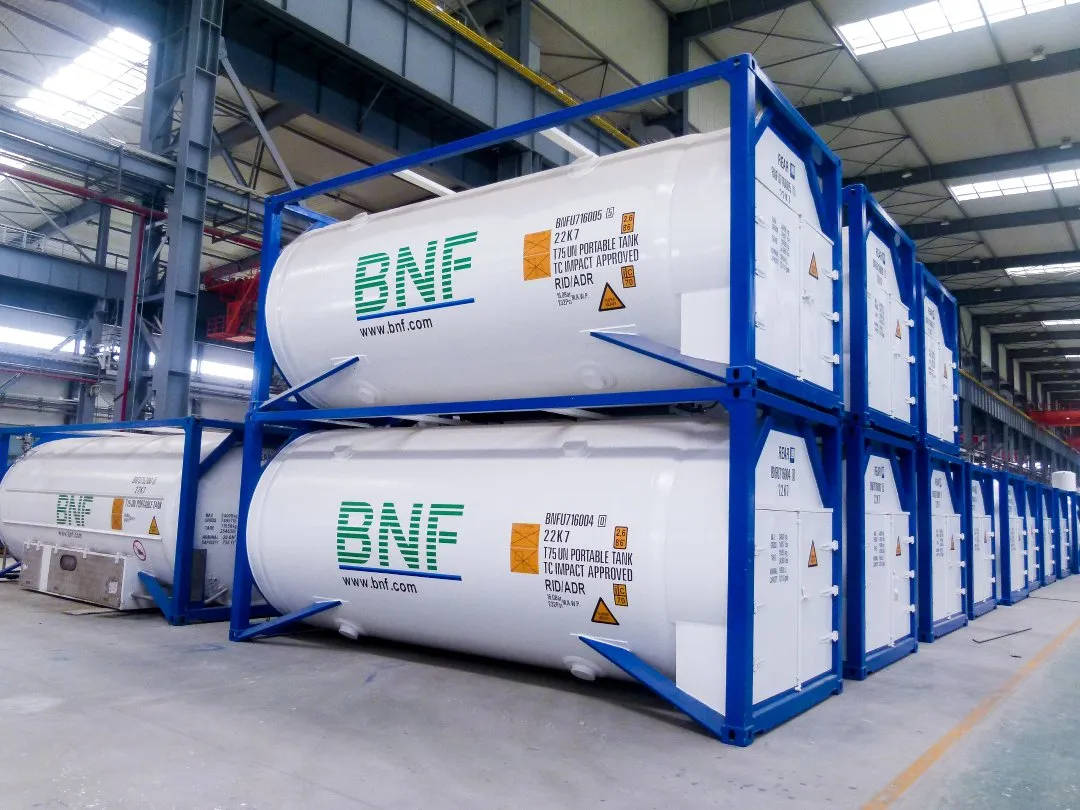
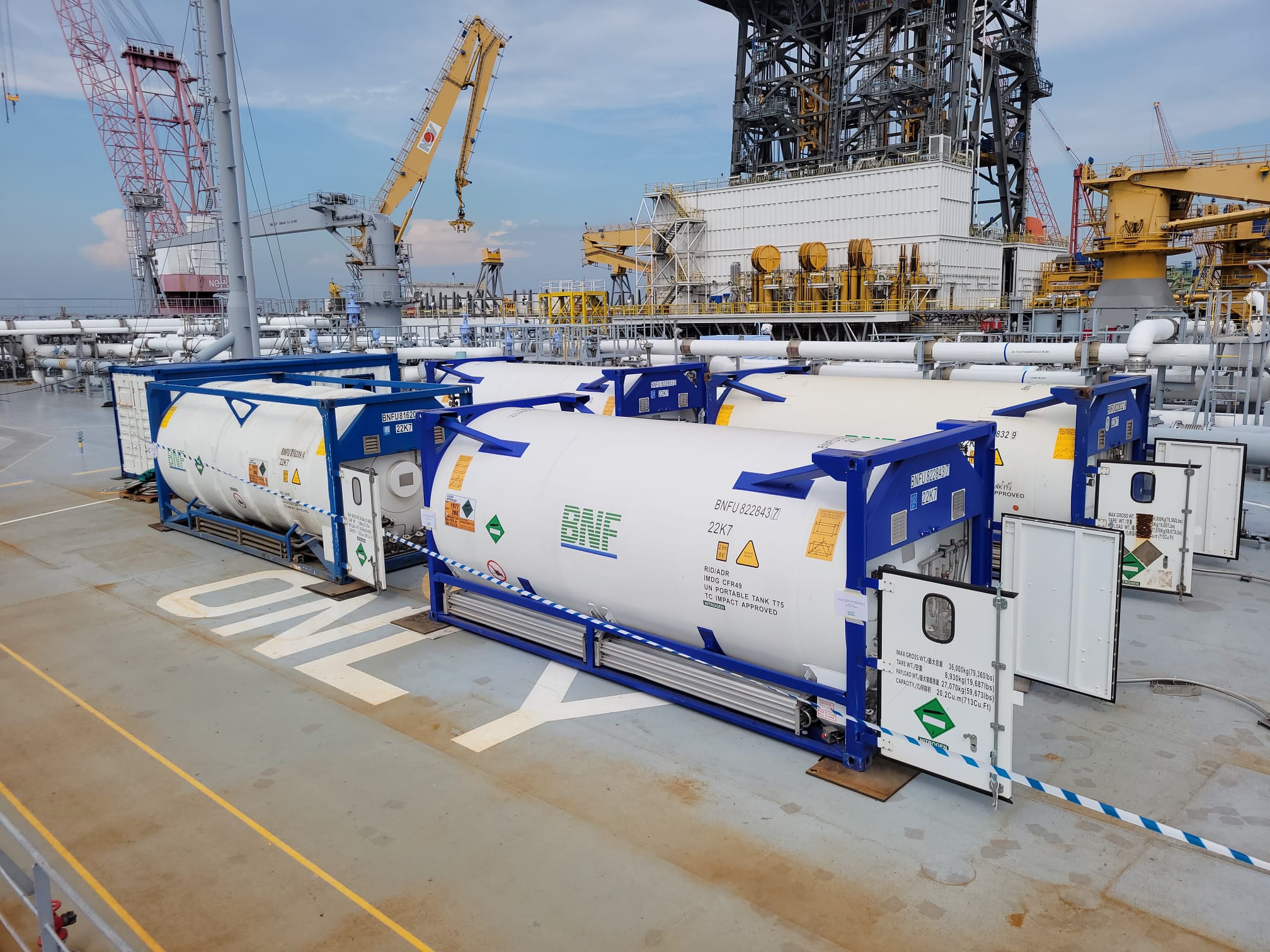
An ISO tank is a tank built into a standard container frame. It moves from ship to truck to train without the cargo ever being transferred, which cuts handling and keeps the gas sealed from the moment it is filled to the moment it is delivered.
We run two types. T75 tanks carry cryogenic liquids such as liquid nitrogen, oxygen, argon and LNG. T50 tanks carry liquefied gases under pressure, such as LPG and refrigerants. The gas decides which one you need.
Start with where the gas is filled and where it needs to go. Then map how it will get there: by sea, by road, by rail, or a mix.
Each leg has its own rules. Our tanks are built and certified for international transport, including the IMDG code for sea and ADR and RID for road and rail in Europe. Even so, ports, borders and local rules can add steps, so check them early.
Think about the last mile too. The delivery site needs to take a truck carrying an ISO tank, and someone needs to be ready to receive and unload it.
Every tank has a maximum fill for each product, set by volume and by weight. Divide your total volume by that figure to see how many tanks the move needs.
Then ask whether this is a one-off move or a repeat flow. A single shipment needs tanks for one trip. A regular supply needs enough tanks in rotation so that one is filling, one is travelling and one is being emptied.
For a cryogenic cargo, timing matters most. A T75 is vacuum insulated, but the cargo still warms slowly and its pressure slowly rises. The route, the time waiting at ports and the time to unload all need to fit within what the cargo allows.
Pressurised cargo in a T50 is less sensitive to time, but delays still cost money, and tanks sitting idle are tanks not working.
Work back from the date the gas is needed. Allow for filling, inspection, transit, customs and unloading, and add room for delays you cannot control.
Every ISO tank we lease is our own. Our team maintains it, keeps its certification in order and checks it on hire and off hire. Because we also supply gas, the gas and the tank can be planned together on one quote.
Send us the route, the volume and the dates, and we will recommend the tanks and plan the move with you.